


Regulations & Certifications: Why They Matter for Your Production
In highly regulated sectors such as chemical, cosmetics, and food, compliance with international standards and regulations is not a secondary aspect of machine design: it is a fundamental requirement.
When designing and manufacturing dosing systems, adherence to applicable norms and directives is essential to ensure that equipment can be legally installed, operated, and maintained across different countries and markets. Regulatory compliance affects not only documentation and certification, but also core design principles such as risk assessment, electrical safety, hygienic design, explosion protection, material suitability, and traceability.
Choosing dosing systems developed in full compliance with applicable international standards means ensuring smoother commissioning processes, fewer legal obstacles, reduced liability risks, and long-term operational reliability. Regulatory alignment is therefore not a formal exercise, but a strategic decision that safeguards your production continuity and protects your investment worldwide.
CE Marking
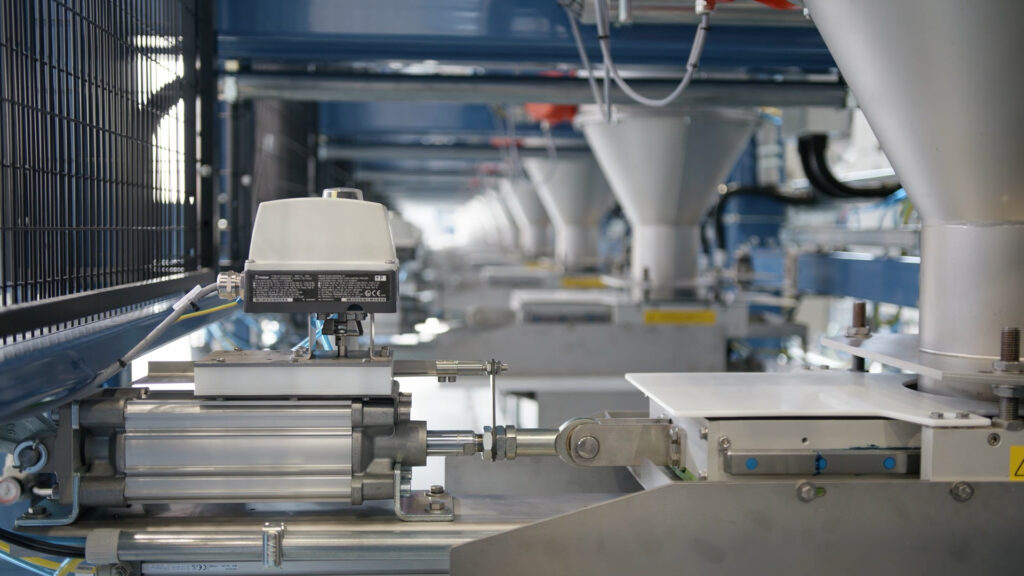
The CE marking process includes essential activities such as risk assessment, safety-compliant design, preparation of technical documentation, and the declaration of conformity. This structured process ensures that the system has been designed and manufactured according to strict standards.
The CE marking certifies that the dosing system complies with the applicable European directives regarding safety, design, and performance. This translates into concrete benefits such as:
- Increased operator safety
- Use of equipment designed according to recognized European standards
- Compliance with requirements during audits and inspections
- Easier integration into existing production processes
Management System Certifications: Quality and Organizational Reliability
In addition to the compliance of the individual machine, management system certifications are an important indicator of the manufacturer’s reliability and organizational structure. The most relevant certifications include:
- ISO 9001 – Quality Management System
Ensures that the company operates with structured processes focused on continuous improvement, directly impacting the quality and reliability of the supplied equipment.
- ISO 45001 – Occupational Health and Safety Management System
Confirms the implementation of measures to protect workers’ health and safety, reflecting the company’s responsibility and operational robustness.
These certifications provide assurance that processes are controlled, and quality-oriented.
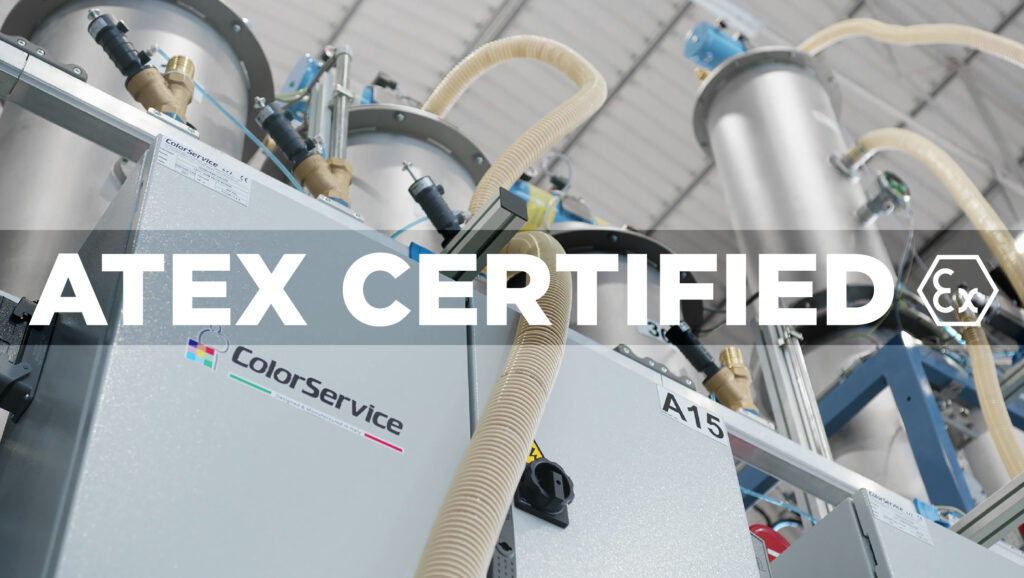
- ATEX Compliance 2014/34/EU
In certain industries, such as chemical processing or the handling of potentially explosive powders, it is essential that dosing systems are designed in compliance with ATEX regulations. This is critical to ensure plant safety and regulatory compliance, while reducing operational risks and potential issues during safety inspections.
- FDA and MOCA Compliance
For dosing systems used in food, beverage, and pharmaceutical applications, materials in contact with the product must comply with both U.S. and European regulatory frameworks.
Designing dosing systems in line with FDA and MOCA requirements means selecting approved materials, ensuring proper documentation, and maintaining full traceability — essential conditions for operating safely and accessing international food markets.
Technical Documentation
A compliant dosing system must be supplied with complete and clear technical documentation, which represents an essential operational resource for the customer.
This includes elements such as:
- Technical file
- Operation and maintenance manuals
- Electrical and pneumatic diagrams
Well-structured documentation facilitates installation, proper use, and maintenance over time, reducing downtime and improving operational efficiency.
Color Service’s Approach to Quality, Safety, and Compliance
Color Service designs and manufactures dosing systems in compliance with applicable European and international regulations, integrating safety, quality, and certification requirements from the earliest design stages. The company operates with a certified ISO 9001 Quality Management System and ISO 45001 Occupational Health and Safety Management System, confirming the adoption of structured and monitored processes.
Systems are supplied with CE marking, complete technical documentation, and designs compliant with applicable standards, including ATEX requirements when required by the application.
This approach helps ensure regulatory compliance and supports the effective integration of dosing systems into customers’ production processes, in line with the standards required across different industrial sectors.