



Why Automatic Dosing Simplifies Operators’ Work
In today’s industrial environments, efficiency and consistency are no longer optional. One of the most impactful ways companies are improving both is through automatic dosing and weighing systems. But what does this really mean for the people on the front line?
- Less Manual Intervention, More Focus on What Matters
Automatic dosing eliminates the need for constant manual measurements and adjustments. Operators no longer have to spend valuable time calculating quantities or handling repetitive dosing tasks. Instead, they can focus on monitoring processes, improving quality, and addressing higher-value activities.
- Increased Accuracy and Consistency
Human error is inevitable, especially in repetitive tasks. Automatic systems ensure precise dosing every time, reducing variability and improving product consistency. This not only enhances quality but also minimizes waste and rework.
- Improved Safety in the Workplace
Handling raw materials manually can expose operators to risks. Automated dosing reduces direct contact, creating a safer working environment and lowering the likelihood of accidents or health issues.
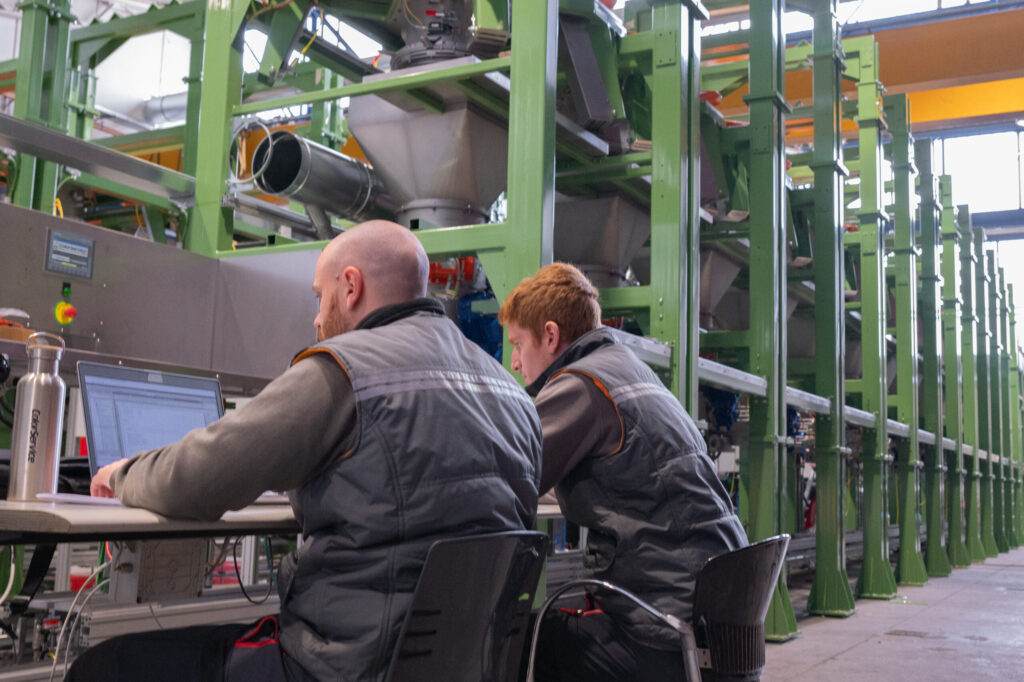
- Faster Operations and Higher Productivity
With automated systems in place, processes become faster and more streamlined. There is no need to pause for recalculations or corrections; everything runs smoothly and efficiently, leading to increased productivity across the board.
5. Easier Training
Training new operators becomes simpler when complex dosing tasks are automated. Instead of relying on highly specialized skills, teams can quickly learn how to oversee and manage automated systems, reducing onboarding time and operational dependency on a few experts.
- Better Traceability and Control
Modern dosing systems often come with integrated monitoring and data tracking. This allows operators and managers to keep full control over processes, ensuring transparency, traceability, and easier compliance with quality standards.
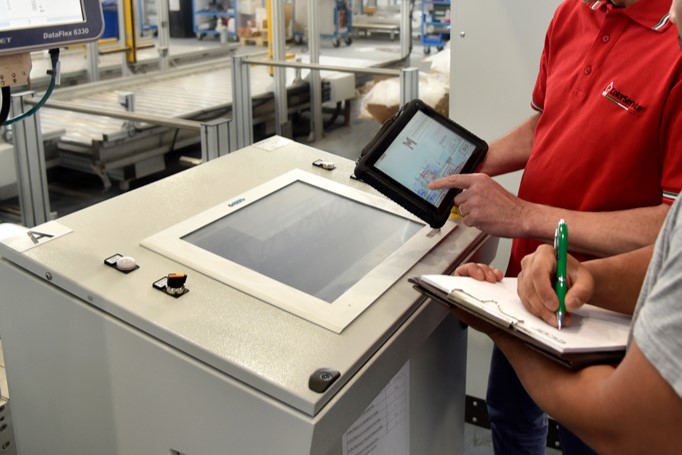
In an automatic dosing system, the operator’s role shifts from manual, labor-intensive tasks to that of a monitor, supervisor, and system manager, responsible for setting parameters, managing raw material supplies, and conducting preventive maintenance.
While the system automates measuring, and dispensing, the operator ensures the system runs correctly and intervenes only when necessary.
Automatic dosing is not just about technology, it’s about empowering operators. By simplifying daily tasks, reducing errors, and improving safety, it creates a more efficient and supportive working environment.